Why Americans Believe Car Payments Are Normal
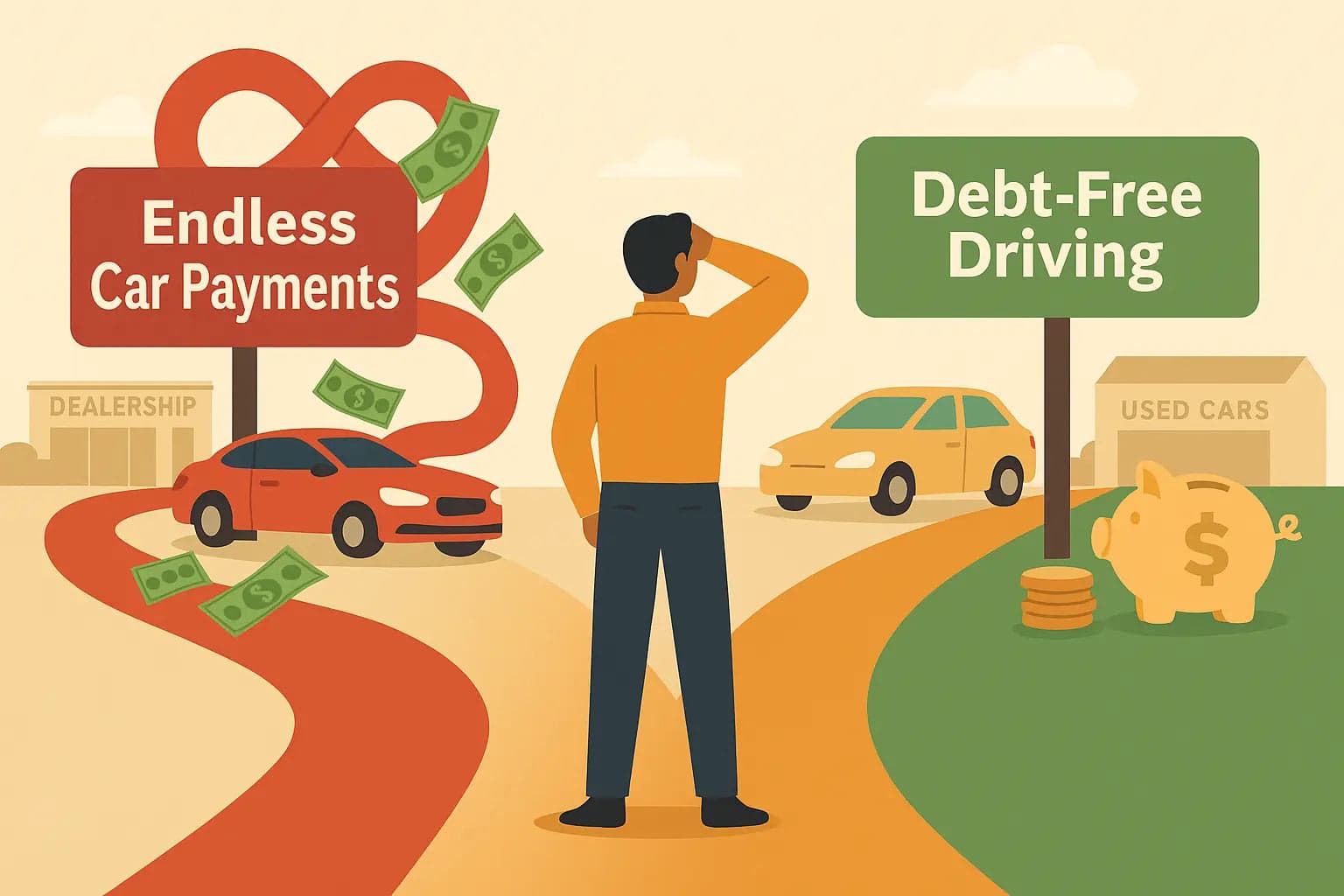
Car commercials, dealership slogans, and even your neighbor’s driveway all seem to reinforce one message:
A monthly car payment is just a normal part of life.
But why do so many Americans believe that car payments are inevitable — even when they often stretch budgets and delay financial goals?
Let’s explore the deeper reasons behind this cultural norm, and whether there’s a smarter way to approach car ownership in today’s economy.
The Big Question:
Why do so many Americans believe that car payments are just a normal way of life?
The answer lies in a mix of marketing, financing trends, lifestyle pressures, and misconceptions about affordability.
1. 🚗 Car Financing Has Become the Default — Not the Exception
In the U.S., around 80% of new cars are financed, according to Experian.
Why?
-
Dealerships promote monthly payments, not full prices
-
Loan terms are often extended to 6 or 7 years to lower monthly costs
-
People qualify for more debt than they can afford based on income, not financial health
Instead of asking “Can I afford the car?” the mindset becomes:
“Can I afford the payment?”
This shifts focus from the total cost to short-term convenience — which can be dangerous for long-term financial stability.
2. 🧠 It’s Psychological: Monthly Payments Feel Manageable
Breaking a large purchase into small chunks makes it feel affordable, even if it ends up costing far more over time.
Example:
-
$35,000 car loan at 6% interest over 72 months
-
Total cost with interest: ~$41,400
-
But with a $600/month payment, it feels doable
This illusion of affordability is a key reason why car payments feel “normal”, even if they eat up cash flow, delay savings, or lead to negative equity.
3. 📺 Marketing & Culture Reinforce the Belief
Car companies spend billions annually convincing Americans that:
-
A newer car = success
-
Leasing or financing is “smart”
-
Upgrading every few years is expected
-
Driving an older car means you’re behind in life
And let’s be honest: car payments are socially accepted, so no one questions them.
The result? Generational conditioning — we grow up watching adults always have car payments, and it becomes part of our own financial routine.
4. 💵 Lack of Financial Education
Many people don’t realize:
-
The true cost of interest over time
-
How fast cars depreciate
-
That buying used and saving first can be better
-
The opportunity cost of tying up $500–$800/month for years
When basic money principles aren’t taught in school or at home, we default to what’s marketed to us — which is almost never the most financially sound option.
Want to start building smarter spending habits? Check out 2 Questions Smart Spenders Ask Before a Purchase — it’ll help you rethink how you evaluate big-ticket items.
5. 🚘 The “Car = Freedom” Mindset in the U.S.
Unlike many other countries with strong public transport, cars in America are often essential, not optional — especially in suburban and rural areas.
This means:
-
More people buy cars early in life
-
They're seen as a rite of passage
-
The idea of owning the car outright gets buried under the need to just have one
This blend of necessity + social status makes it easier to accept the idea of always having a payment.
The Hidden Costs of Normalized Car Payments
Here’s what many people don’t realize:
| Car Payment Habit | Long-Term Impact |
|---|---|
| Upgrading every 4 years | Constant debt cycle |
| Rolling negative equity into new loans | Paying more for less |
| Skipping down payments | Larger principal and interest |
| Paying interest on a depreciating asset | Financial drag instead of growth |
These payments not only affect your cash flow but delay investing, emergency savings, and even retirement planning.
Want to see what putting even $400/month into savings or investments could do instead? Try our Compound Interest Calculator — it may change how you view that next car upgrade.
How to Break the Cycle
Here are smarter alternatives to endless car payments:
✅ 1. Buy Used and Save in Advance
Buy a reliable used car with cash — even if it's not flashy. You’ll skip interest and depreciation costs.
✅ 2. Drive What You Own Longer
Take good care of your current vehicle. Driving it 10–15 years can save you tens of thousands.
✅ 3. Set Up a “Car Fund”
Instead of making payments to a lender, make payments to yourself. Build a fund so you’re ready for your next vehicle — without financing.
✅ 4. Change Your Money Mindset
Instead of thinking “monthly,” think “total.” Ask:
“What is this actually costing me — and is it worth it?”
Final Takeaway: Debt Shouldn’t Be a Lifestyle
So… why do so many Americans believe that car payments are just a normal way of life?
Because they’ve been conditioned to.
But “normal” doesn’t mean smart. And with a little strategy and education, you can:
-
Drive debt-free
-
Save for future goals
-
Break out of the cycle that holds so many back
At Smart Financial Lifestyle, we’re here to challenge these financial myths — and help you build habits that lead to freedom, not just more stuff.